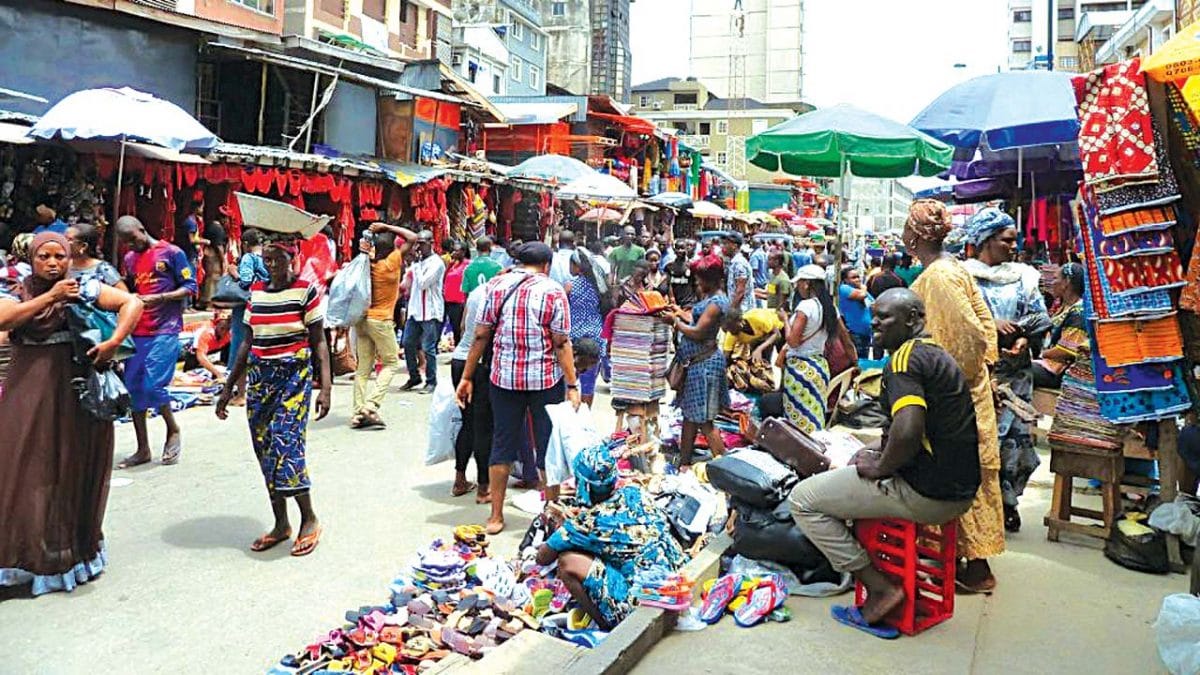
Eke, Orie, Afo, and Nkwo form the pulse of Enugu-Ezike—guiding trade, village meetings, masquerades, farming cycles, and sacred observances across all 33 autonomous communities.
The traditional Igbo week rotates continuously through Eke, Orie, Afo, and Nkwo.
Each village hosts primary markets and civic gatherings tied to its designated market day.
Specific masquerades, festivals, and customary restrictions belong strictly to certain market days.
Know a local market square, village market day, masquerade schedule, or traditional restriction that should be linked here? Share it with our editors.
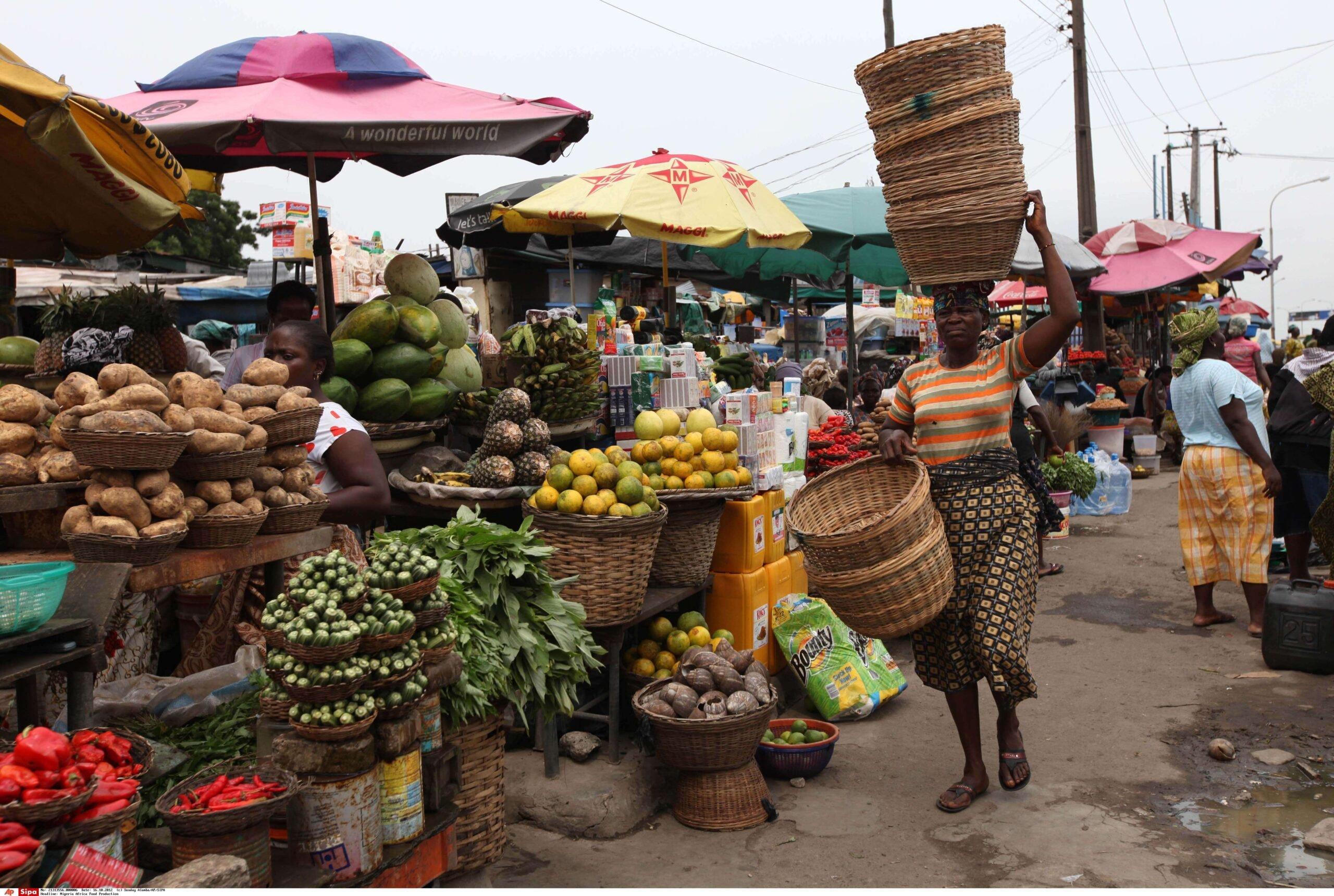
Eke is the first day in the traditional Igbo four-day market cycle in Enugu Ezike. It comes before Orie, followed by Afo and Nkwo. It is an important trading day when people from different villages come together to buy and sell farm produce, food, palm oil, palm wine, clothes and other goods.
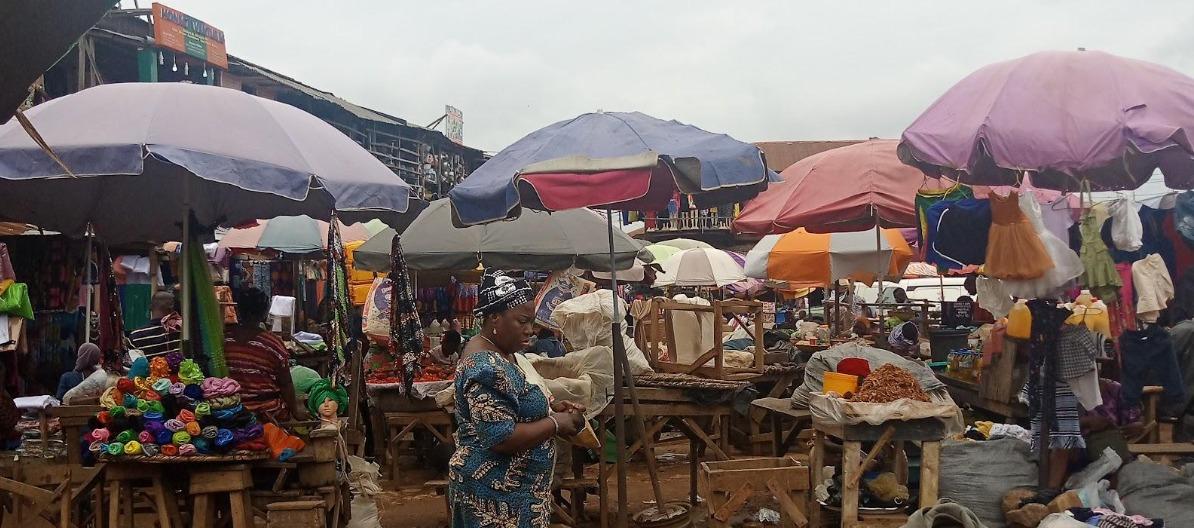
Orie is the second day in the traditional Igbo four-day market cycle in Enugu Ezike. It comes after Eke and before Afo. In communities that observe Orie as their market day, people come together to buy and sell farm produce, food, household goods and other items. The cycle continues with Nkwo before returning to Eke.
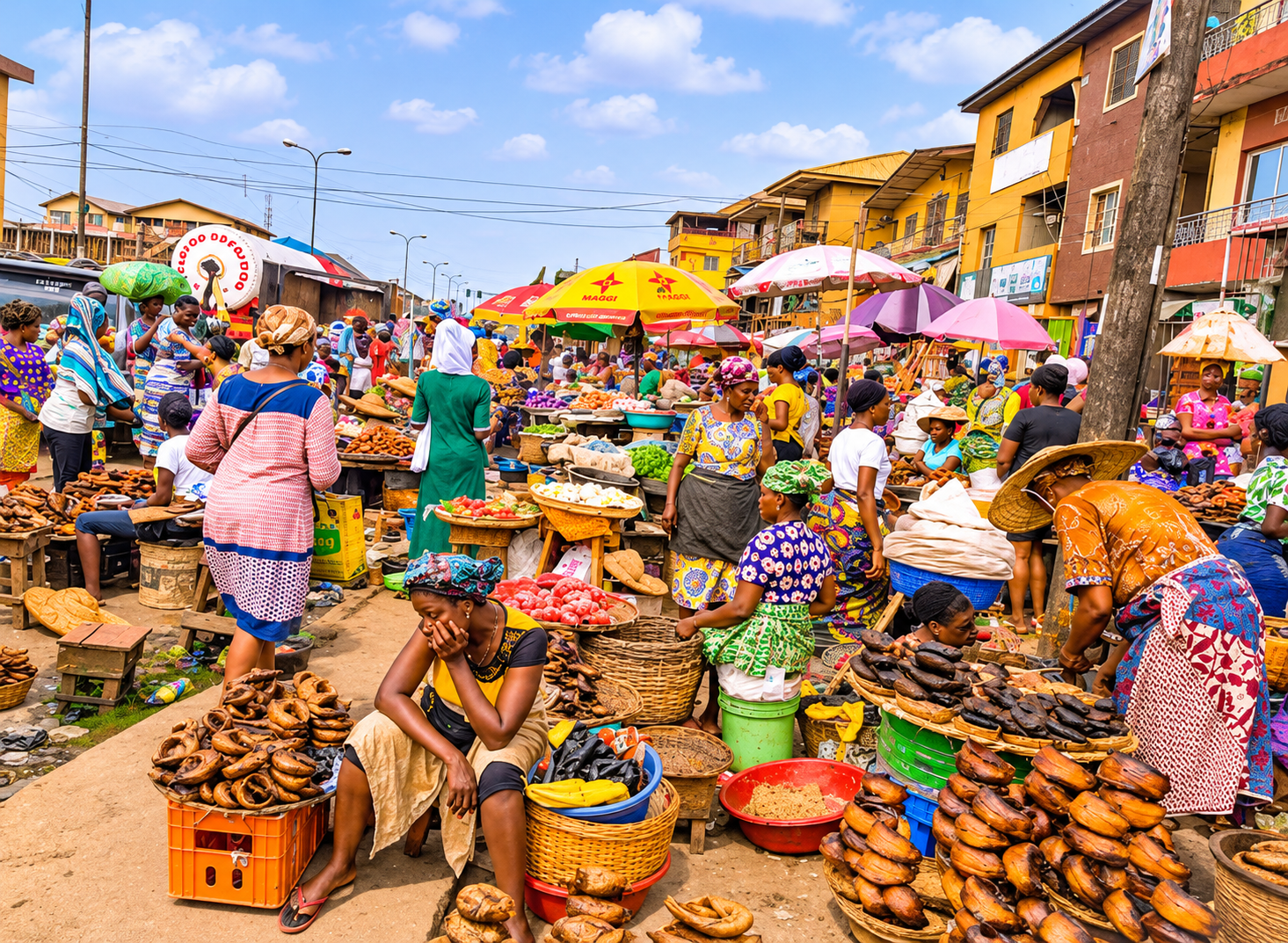
Afo is the third day in the traditional Igbo four-day market cycle in Enugu Ezike. It comes after Orie and before Nkwo. It is a day for buying and selling. People bring farm produce, food, palm oil, clothes and other goods to the market. It also gives people from different communities a chance to meet and trade.
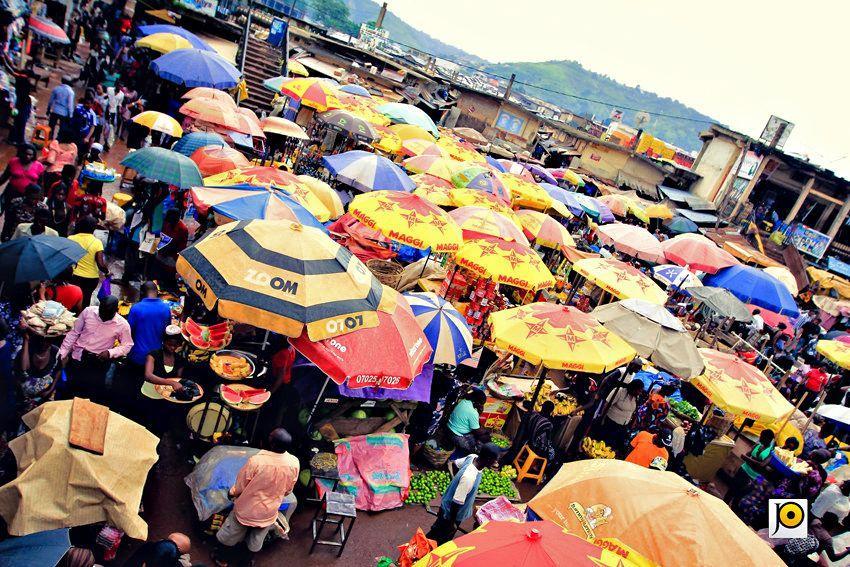
Nkwo is the fourth day in the traditional Igbo market cycle in Enugu Ezike. It comes after Afo and completes the four market days before the cycle starts again with Eke. It is a day when people come together to buy and sell farm produce, food, palm oil, palm wine, clothes and other goods. People also use the market as a place to meet friends, relatives and traders from other communities.
