Enugu Ezike Cultural Heritage Logo
ENUGU EZIKEDigital Encyclopedia
Contribute & Earn
Enugu Ezike Heritage Logo
Enugu Ezike Heritage33 Villages • 4 Districts • 1 Heritage

Preserving and sharing the living history, villages, four-day market cycle, traditions, and family lineages of Enugu Ezike for present and future generations.

Igbo Market Days

EkeOrieAfoNkwo
Contribute & Earn

Explore Heritage

  • 33 Villages
  • 4 Patriarchal Districts
  • 4-Day Market Cycle
  • Cultural Traditions
  • Landmarks & Squares
  • Genealogy & Lineages

Archive & Community

  • Heritage Articles
  • Photo Gallery
  • AI Heritage Assistant
  • Advanced Search
  • Contribute & Earn
  • Member Dashboard
  • About Enugu Ezike

Contact & Directory

Enugu Ezike, Igbo-Eze North LGA, Enugu State, Nigeria
info@izunwaonu.com.ng

Index & Directories

XML SitemapVillages DirectoryArticles Index

© 2026 Enugu Ezike Heritage Foundation. All rights reserved.

SitemapContributor GuidelinesAbout
How Islam Came to Enugu-Ezike: Aduku & Garba Oheme | Enugu Ezike Heritage | Enugu Ezike Digital Encyclopedia
Back to Articles
History & Origins Verified Archive

How Islam Came to Enugu-Ezike: Ibrahim Aduku in Amufie and Garba Oheme (1909–1937)

How horse trade brought Islam to Amufie around 1909 and how Garba Oheme of Enugu-Ezike became the first recorded Igbo Muslim in 1937.

Enugu Ezike Editorial Archive24 November 20264 min read4 Citations
How Islam Came to Enugu-Ezike: Ibrahim Aduku in Amufie and Garba Oheme (1909–1937)
In This Article (5 sections)
  • How Islam First Reached Enugu-Ezike
  • The Horse Trade and Early Muslim Traders
  • Ibrahim Aduku in Amufie (Around 1909–1931)
  • Garba Oheme: The First Recorded Igbo Muslim (1937)
  • Islam in Enugu-Ezike After 1937

How Islam First Reached Enugu-Ezike

Enugu-Ezike holds an important place in Nigerian religious history. Historical research shows that Enugu-Ezike (in the old Nsukka Division, now Igbo-Eze North Local Government Area of Enugu State) was the first part of Igboland where Islam took root through peaceful trade, and it produced the first recorded Igbo person to convert to Islam [1][2].

Continue Exploring Enugu Ezike

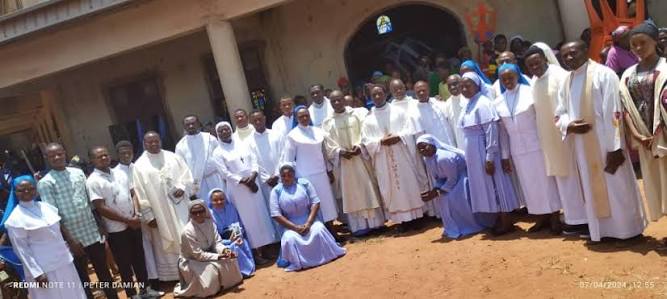
ECRAA (Enugu-Ezike Clergy, Religious, and Aspirants Association): History, Leaders, and Global Mission
History & Origins

ECRAA (Enugu-Ezike Clergy, Religious, and Aspirants Association): History, Leaders, and Global Mission

Read the full history of the Enugu-Ezike Clergy, Religious, and Aspirants Association (ECRAA), from its founding in 1979 by Very Rev. Fr. Dr. Charles Onuh to its leadership timeline, cultural impact, global mission, and departed members.

5 min read

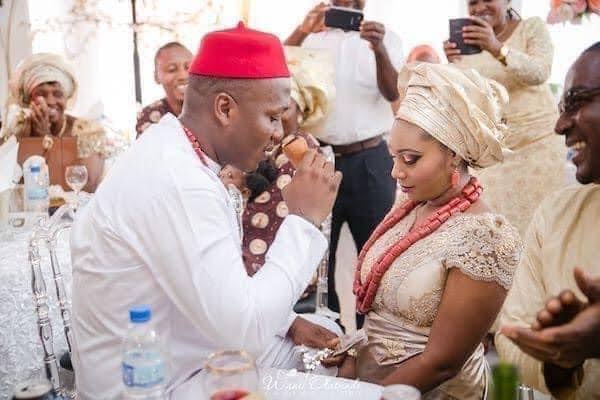
Traditional Marriage in Igogoro, Enugu-Ezike: Simple Guide to Steps, Palm Wine, and Family Rules
Language & Culture

Traditional Marriage in Igogoro, Enugu-Ezike: Simple Guide to Steps, Palm Wine, and Family Rules

Read how traditional marriage works in Igogoro, Enugu-Ezike in plain, simple English, from knocking on the door and background checks to Igogoro palm wine, wedding songs, Nkwo market planning, Ndi-ishi rules, and church weddings.

8 min read

Before 1930, Christian churches were still very new in the Nsukka area. Roman Catholic missionaries arrived only a few years before 1933, and the Church Missionary Society (Anglican) arrived in 1933 [2]. Because Enugu-Ezike sits on the northern border next to Igalaland and north-central Nigeria, many village elders remembered that Islam—brought by travelling Nupe, Hausa, and Yoruba traders—was the first outside religion people saw in the area [2].


The Horse Trade and Early Muslim Traders

Islam came to Enugu-Ezike through the horse trade, not through war [1][3].

In Enugu-Ezike, horses were a respected sign of wealth and were used during traditional burial ceremonies for wealthy families, second only to the local cow (efi Igbo or Muturu) [1]. At first, people from Enugu-Ezike travelled to Ejule in Igalaland to buy horses and bring them home [1].

Later, Muslim horse traders from the north began bringing horses directly into Enugu-Ezike to sell [1]. In a 2003 interview recorded by historian Prof. Egodi Uchendu, elder Garba Oheme noted that a horse trader named Usman Buzu (who came from Utege near Keffi through Angba) traded horses in the town even before Ibrahim Aduku arrived [1].


Ibrahim Aduku in Amufie (Around 1909–1931)

The best-known early Muslim settler in Enugu-Ezike was Ibrahim Aduku (also spelled Adukwu), a Nupe Muslim horse trader [1][2].

  • Background: Ibrahim Aduku was born and grew up in Bida in Nupeland, while his mother lived at Idah [1].
  • Trade route: He started his business in Idah and travelled between Bida, Idah, and Enugu-Ezike selling horses [1][4].
  • Arrival in Amufie: By comparing colonial records, trade reports, and interviews with Aduku's grandson and elders between 2003 and 2009, Prof. Egodi Uchendu estimates that Ibrahim Aduku arrived in Enugu-Ezike around 1909—around the same time British colonial officers entered the town from Okwoga [1][4].
  • Host family: Whenever he came to Enugu-Ezike, he stayed with the family of Agboke Nwoma in Amufie (Itodo clan), where he later settled and built lasting family ties [1].

Because Ibrahim Aduku had already met British officers during his trading journeys, he understood how the colonial government worked when the British first entered Enugu-Ezike [1].

During the 1920s, people in Enugu-Ezike who wanted to learn about Islam found a guide and teacher in Ibrahim Aduku [2]. Through him, other travelling Muslim traders and teachers also entered northern Igboland from north-central Nigeria [4]. Ibrahim Aduku died in 1931 [2][3].


Garba Oheme: The First Recorded Igbo Muslim (1937)

Six years after Ibrahim Aduku died, another turning point took place.

In 1937, Garba Oheme of Enugu-Ezike converted to Islam at the age of 29 while he was in Calabar [1][2].

Muslim leaders across Igboland widely agree that Garba Oheme was the first Igbo convert to Islam [2]. His conversion made Enugu-Ezike and the old Nsukka Division the first part of Igboland to produce an indigenous Igbo Muslim [2].


Islam in Enugu-Ezike After 1937

From those early roots in Amufie and across Enugu-Ezike, Islam continued to grow peacefully through trade, marriage, and family ties [1][2].

After the Nigerian Civil War (1967–1970), the number of Igbo Muslims in Enugu-Ezike and other parts of southeastern Nigeria grew further [2][3]. Today, indigenous Muslim families live alongside Christians and traditional worshippers across Enugu-Ezike as part of the town's shared history [2][3].

#Islam in Enugu-Ezike#Ibrahim Aduku#Ibrahim Adukwu#Garba Oheme#Amufie#Itodo#Enugu-Ezike#Igbo Muslims#Igbo History

References & Sources

  1. 1

    Evidence for Islam in Southeast Nigeria (2010)

    Egodi Uchendu • The Social Science Journal, Vol. 47, No. 1, pp. 172–188 (Elsevier)

    View External Source
  2. 2

    Being Igbo and Muslim: The Igbo of South-Eastern Nigeria and Conversions to Islam, 1930s to Recent Times (2010)

    Egodi Uchendu • The Journal of African History, Vol. 51, No. 1 (Cambridge University Press)

    View External Source
  3. 3

    Dawn for Islam in Eastern Nigeria: A History of the Arrival of Islam in Igboland (2011)

    Egodi Uchendu • Klaus Schwarz Publishers, Berlin (ISBN 978-3-87997-383-5)

  4. 4

    Islam Has a Small Presence in Nigeria's Igbo Region — What a New Quran Translation Offers (2022)

    Egodi Uchendu • Premium Times / The Conversation

    View External Source

Documented By

Enugu Ezike Editorial Archive

Community historians documenting the villages, traditions, and history of Enugu-Ezike.

Suggest Edit or Add Photo

Table of Contents

  • How Islam First Reached Enugu-Ezike
  • The Horse Trade and Early Muslim Traders
  • Ibrahim Aduku in Amufie (Around 1909–1931)
  • Garba Oheme: The First Recorded Igbo Muslim (1937)
  • Islam in Enugu-Ezike After 1937

Linked Heritage Records

Villages

Amufie

Traditions

Cow-Killing and Horse Burial Honours (Ogbuleja, Ojieshu, Ogbuzuru)
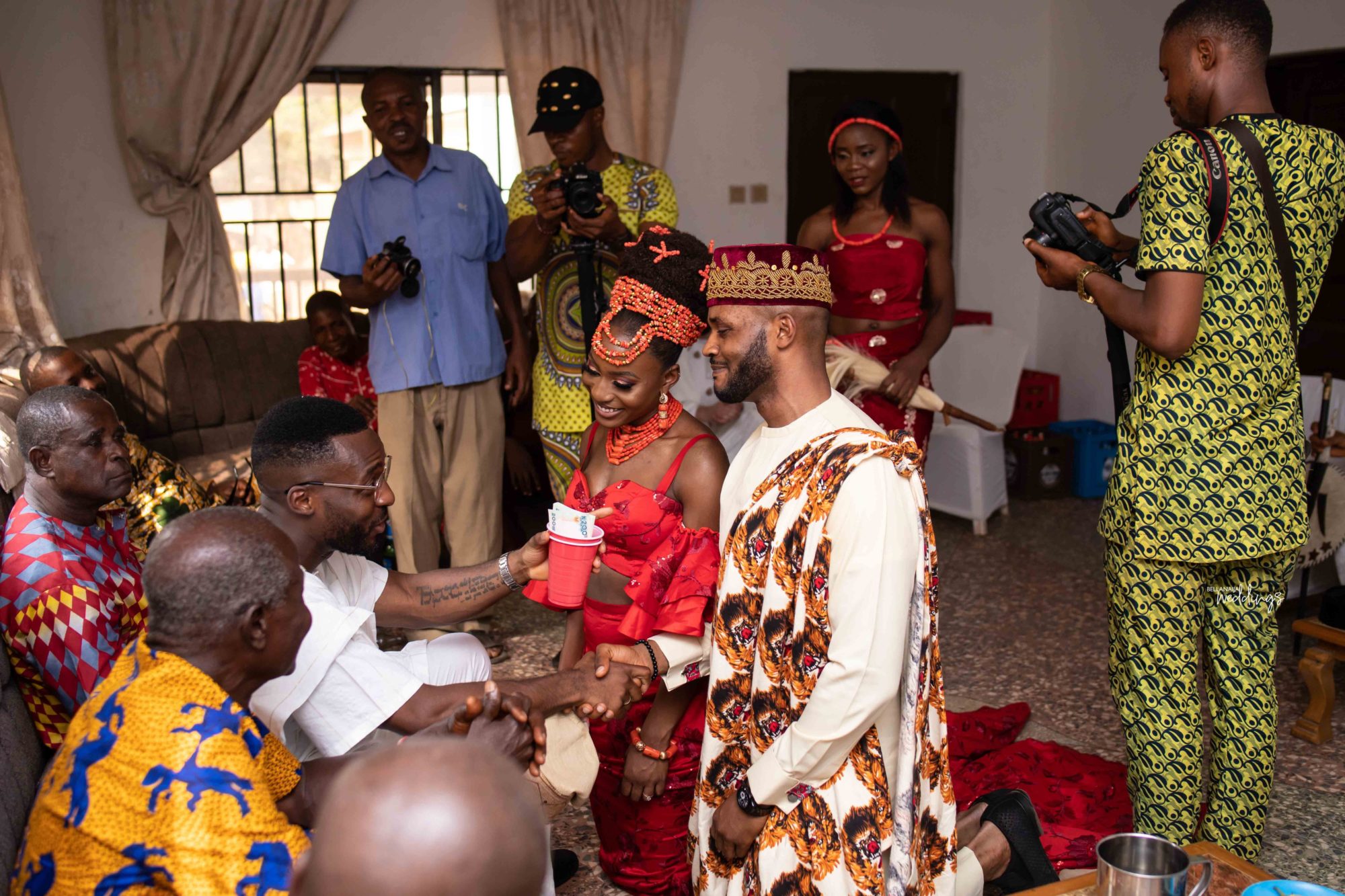
Traditional Marriage in Enugu-Ezike: Stages, Customs, and Family Duties
Language & Culture

Traditional Marriage in Enugu-Ezike: Stages, Customs, and Family Duties

Learn how traditional marriage works in Enugu-Ezike from the first family visit and background checks to bride price, kola nut prayers, palm wine carrying (Igba Nkwu), and how families combine custom with church weddings today.

10 min read