Enugu Ezike Cultural Heritage Logo
ENUGU EZIKEDigital Encyclopedia
Contribute & Earn
Enugu Ezike Heritage Logo
Enugu Ezike Heritage33 Villages • 4 Districts • 1 Heritage

Preserving and sharing the living history, villages, four-day market cycle, traditions, and family lineages of Enugu Ezike for present and future generations.

Igbo Market Days

EkeOrieAfoNkwo
Contribute & Earn

Explore Heritage

  • 33 Villages
  • 4 Patriarchal Districts
  • 4-Day Market Cycle
  • Cultural Traditions
  • Landmarks & Squares
  • Genealogy & Lineages

Archive & Community

  • Heritage Articles
  • Photo Gallery
  • AI Heritage Assistant
  • Advanced Search
  • Contribute & Earn
  • Member Dashboard
  • About Enugu Ezike

Contact & Directory

Enugu Ezike, Igbo-Eze North LGA, Enugu State, Nigeria
info@izunwaonu.com.ng

Index & Directories

XML SitemapVillages DirectoryArticles Index

© 2026 Enugu Ezike Heritage Foundation. All rights reserved.

SitemapContributor GuidelinesAbout
Enugu-Ezike's 4 Clans & 33 Villages: Origins & Structure | Enugu Ezike Heritage | Enugu Ezike Digital Encyclopedia
Back to Articles
History & Origins Verified Archive

The Four Ancestral Clans and 33 Villages of Enugu-Ezike

How the four sons of Ezike Oba—Ezzodo, Itodo, Essodo, and Ozzi—shaped the traditional districts and 33 autonomous communities of Igbo-Eze North.

Enugu Ezike Editorial Archive23 November 20263 min read2 Citations
In This Article (9 sections)
  • Introduction
  • Ancestral Origins: Ezike Oba
  • The Four Traditional Districts and 33 Villages
  • 1. Ezzodo (Senior Clan — 2 Villages)
  • 2. Itodo / Umu-Itodo (Second Clan — 6 Villages)
  • 3. Essodo (Third Clan — 5 Autonomous Archive Communities / 7 Ancestral Settlements)
  • 4. Ozzi / Umuozzi (Fourth Clan — 20 Villages)
  • Geographic Setting and Neighbouring Communities
  • Preserving Verified Clan and Village Records

Introduction

Enugu-Ezike is one of the largest traditional towns in northern Igboland, situated in Igbo-Eze North Local Government Area of Enugu State, Nigeria . Its social structure, land tenure, traditional seniority, and community governance are organized around —, (), , and ()—and documented in the Enugu-Ezike Heritage Archive .

Continue Exploring Enugu Ezike

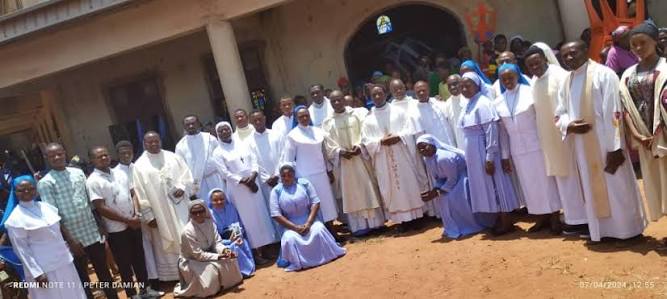
ECRAA (Enugu-Ezike Clergy, Religious, and Aspirants Association): History, Leaders, and Global Mission
History & Origins

ECRAA (Enugu-Ezike Clergy, Religious, and Aspirants Association): History, Leaders, and Global Mission

Read the full history of the Enugu-Ezike Clergy, Religious, and Aspirants Association (ECRAA), from its founding in 1979 by Very Rev. Fr. Dr. Charles Onuh to its leadership timeline, cultural impact, global mission, and departed members.

5 min read

Traditional Marriage in Igogoro, Enugu-Ezike: Simple Guide to Steps, Palm Wine, and Family Rules
Language & Culture

Traditional Marriage in Igogoro, Enugu-Ezike: Simple Guide to Steps, Palm Wine, and Family Rules

Read how traditional marriage works in Igogoro, Enugu-Ezike in plain, simple English, from knocking on the door and background checks to Igogoro palm wine, wedding songs, Nkwo market planning, Ndi-ishi rules, and church weddings.

8 min read

[1]
four patriarchal ancestral clans
Ezzodo
Itodo
Umu-Itodo
Essodo
Ozzi
Umuozzi
33 recognized autonomous communities
[1]
[2]

Ancestral Origins: Ezike Oba

According to oral tradition preserved across Enugu-Ezike, the town traces its ancestry to a renowned hunter known as Ezike Oba (also remembered as Ejige Oba), who settled at Amube Hill—giving rise to the ancestral name Elugwu Ezike (Ufu) [1][2]. Historical accounts discuss connections to both the ancient Benin Kingdom and the Igala region along his migration route, and elders continue to preserve and examine these lineage accounts [1][2].

Ezike Oba married two wives, Ayigwa and Osegbe, who bore the four sons after whom Enugu-Ezike's four traditional districts are named [1][2]:

  1. Ezzodo — First and senior son, born to Ayigwa.
  2. Itodo — Second son, born to Osegbe.
  3. Essodo — Third son, born to Ayigwa.
  4. Ozzi — Fourth and youngest son, born to Osegbe.

The Four Traditional Districts and 33 Villages

1. Ezzodo (Senior Clan — 2 Villages)

As the first son of Ezike Oba, Ezzodo holds traditional seniority within the wider Enugu-Ezike brotherhood [1]. Its two ancestral communities are:

  • Uda
  • Uroshi

2. Itodo / Umu-Itodo (Second Clan — 6 Villages)

Named after the second son of Ezike Oba (born to Osegbe), the descendants of Itodo are collectively known as Umu-Itodo [1]. Its six ancestral villages are:

  • Amachalla
  • Amufie
  • Igbele
  • Ikpuiga
  • Imufu
  • Olido

3. Essodo (Third Clan — 5 Autonomous Archive Communities / 7 Ancestral Settlements)

Named after the third son of Ezike Oba (born to Ayigwa), Essodo encompasses seven traditional settlements (including Umuogbo Ulo, Umuogbo Agu, Umuogbo Inyi, and Ekposhi) organized across five core village entries in the archive [1]:

  • Aji
  • Ekposhi
  • Ufodo
  • Umuagama
  • Umuogbo (comprising Umuogbo Ulo, Umuogbo Agu, and Umuogbo Inyi)

4. Ozzi / Umuozzi (Fourth Clan — 20 Villages)

Named after the fourth and youngest son of Ezike Oba (born to Osegbe), Umuozzi is the largest of the four traditional districts by village count [1]. Its 20 documented villages are:

  • Aguibeje, Amaja, Amube, Ezillo, Igogoro, Ikpamodo, Inyi, Isugwu, Nkpamute, Ogbodu, Ogrute, Okata, Okpo, Onicha Enugu, Owerre Eze, Ugbaike, Umachi, Umuida, Umuopu, and Umuopu Agu.

Geographic Setting and Neighbouring Communities

Enugu-Ezike occupies the northern frontier of Enugu State, bordering Kogi State to the north and east (near Ette, Ofante, Idoma, and Akpanya), Igbo-Eze South to the south and southwest (Ibagwa, Alor-Agu, Unadu, and Itchi), and Udenu communities (Obollo-Afor, Iheaka, and Ovoko) to the southeast [2].

Preserving Verified Clan and Village Records

Each of the 33 villages maintains its own kindreds (umunna), traditional leadership (Onyishi and Igwe), four-day market calendar, and local landmarks while sharing a single ancestral bond through Ezike Oba [1][2]. Ongoing archival work continues to verify kindred structures, market days, and GPS coordinates for every community.

#Enugu-Ezike#Ezike Oba#Ezzodo#Itodo#Essodo#Ozzi#33 Villages#Igbo-Eze North#Clans

References & Sources

  1. 1

    Enugu-Ezike Four Patriarchal Districts and 33 Autonomous Villages Registry (2026)

    Enugu Ezike Heritage Archive • Enugu Ezike Digital Archive (Districts & Villages Database)

  2. 2

    Njirimara Obodo M: Igogoro, Enugu-Ezike (2016)

    Justus Izuchukwu Onuh • Department of Philosophy, Bigard Memorial Seminary, Uwani Enugu

    View External Source

Documented By

Enugu Ezike Editorial Archive

Community historians documenting the villages, traditions, and lineages of Enugu Ezike.

Suggest Edit or Add Photo

Table of Contents

  • Introduction
  • Ancestral Origins: Ezike Oba
  • The Four Traditional Districts and 33 Villages
  • 1. Ezzodo (Senior Clan — 2 Villages)
  • 2. Itodo / Umu-Itodo (Second Clan — 6 Villages)
  • 3. Essodo (Third Clan — 5 Autonomous Archive Communities / 7 Ancestral Settlements)
  • 4. Ozzi / Umuozzi (Fourth Clan — 20 Villages)
  • Geographic Setting and Neighbouring Communities
  • Preserving Verified Clan and Village Records

Linked Heritage Records

Villages

AmachallaIgogoroUmuopu AguUdaAmajaUmuopuImufuAguibejeEkposhiIgbeleAmubeOgboduOnicha EnuguOwerre EzeUmachiEzilloIkpuiga

Landmarks

Amube Hill
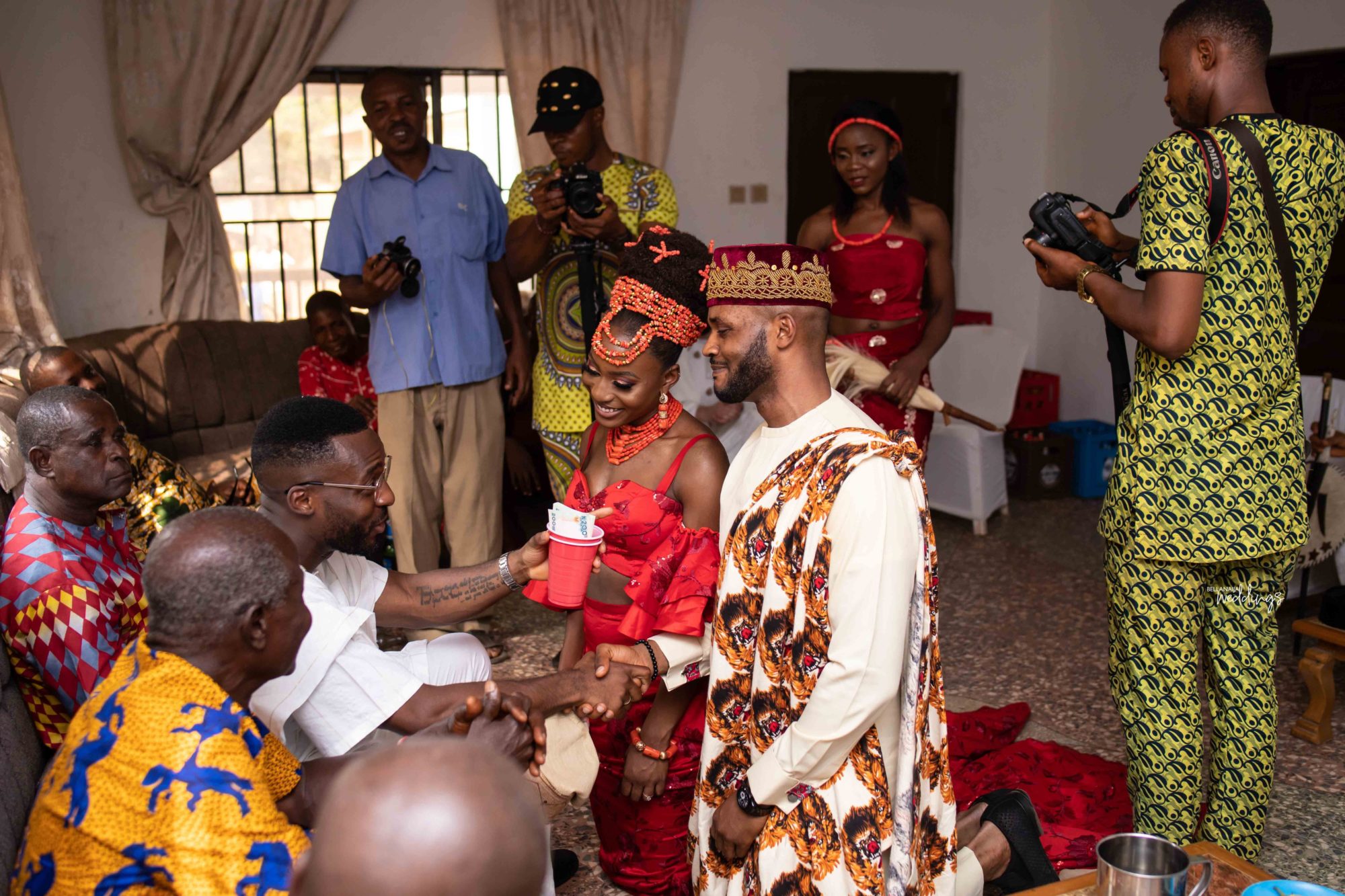
Traditional Marriage in Enugu-Ezike: Stages, Customs, and Family Duties
Language & Culture

Traditional Marriage in Enugu-Ezike: Stages, Customs, and Family Duties

Learn how traditional marriage works in Enugu-Ezike from the first family visit and background checks to bride price, kola nut prayers, palm wine carrying (Igba Nkwu), and how families combine custom with church weddings today.

10 min read

Umuogbo
Okata
Ufodo
Ikpamodo
Ugbaike
Isugwu
Uroshi
Ogrute
Amufie
Olido
Aji
Umuagama
Umuida
Okpo
Inyi
Nkpamute