Instead, each village and family group (umunna) managed its own affairs through the Onyishi (the eldest living man in the lineage or village), working alongside village elders, titled men, and community meetings [2][4].
The position of Onyishi was not elected and could not be bought. Leadership passed automatically to the next oldest man whenever an Onyishi died [4]. He looked after communal land, led ancestral prayers, and helped settle disputes with the council of elders [4]. Because Enugu-Ezike sits beside Igalaland, some leaders also held titles connected to the Attah of Igala, but day-to-day authority stayed close to the villages [2][5].
British Entry and Colonial Divisions (1906 to 1922)
British colonial officers first entered Enugu-Ezike around 1908 to 1909, travelling down from Okwoga (also spelled Okpoga, in Idomaland) [4][6].
As British officers set up offices across northern Igboland, they named each administrative division after the town where their headquarters stood [4]. Because of this practice, Enugu-Ezike moved through four colonial divisions in less than twenty years [4]:
1919 to 1922: Part of Obollo Division in Onitsha Province [4].
From 1922: Renamed Nsukka Division in Onitsha Province, where Enugu-Ezike became one of 14 official village groups [4][6].
The Warrant Chief System and the Native Court of Enugu-Ezike
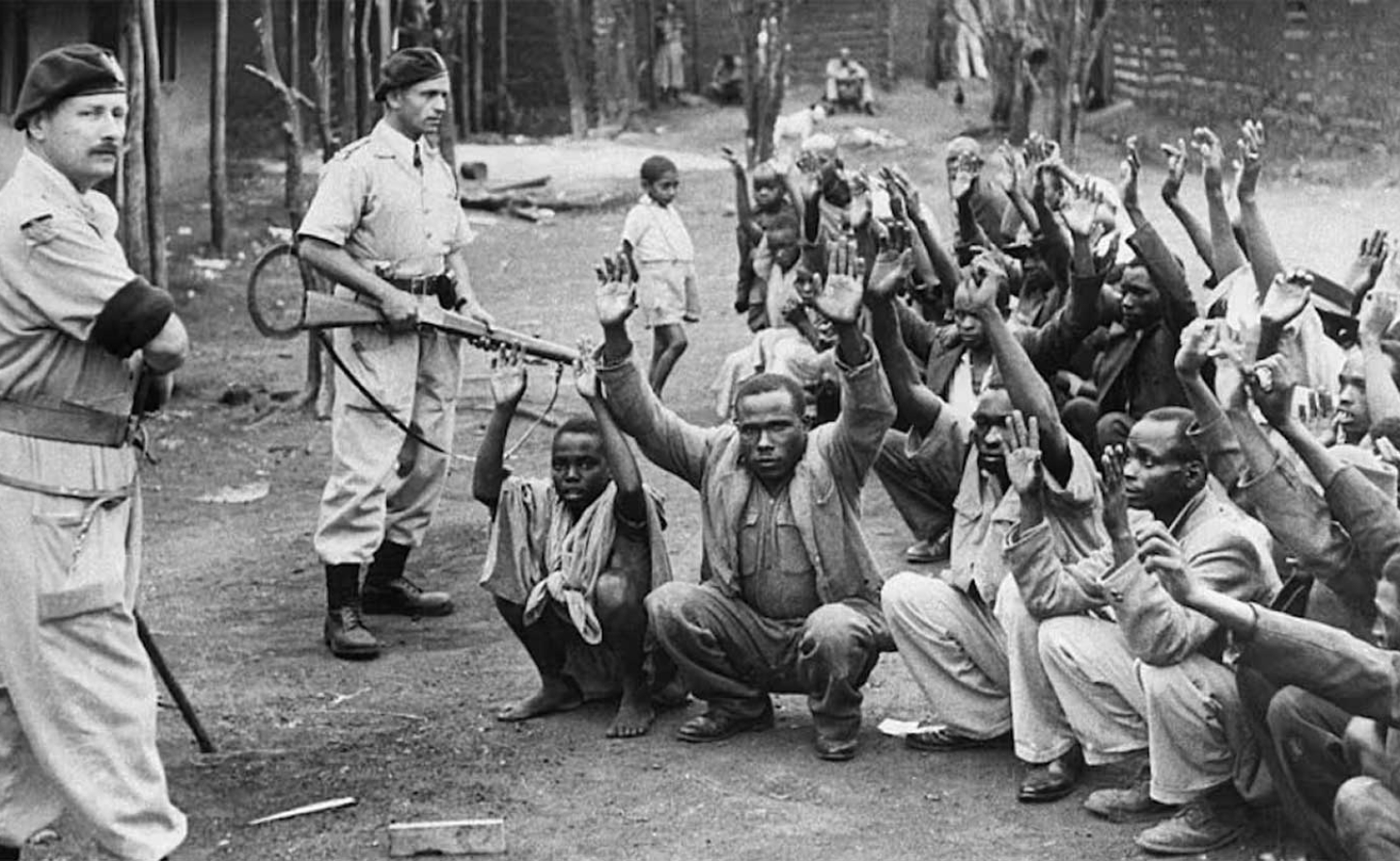
Because Britain had very few European officers in Southeastern Nigeria, the colonial government ruled through Indirect Rule using the Warrant Chief system[3].
As historian Adiele E. Afigbo (1972) documented, British officials looked for local leaders to run colonial affairs. Where they did not find a single ruler, they picked local people they thought had influence and gave them written certificates called warrants[3].
Collect colonial taxes and count people for colonial records [3][5].
Organize local labour for colonial roads, buildings, and public works [3][5].
In Enugu-Ezike, the British set up the Native Court of Enugu-Ezike[5]. One of the clearest examples of how British rule broke old customs happened in October 1918, when colonial officers appointed Ahebi Ugbabe of Umuida as a Warrant Chief on the Native Court after first making her headman of her village in place of an elderly man, Ugwu Okegwu [5]. She became the only female Warrant Chief in all of colonial Nigeria and later took the title of Eze with support from the Attah of Igala [2][5].
Across Enugu-Ezike and wider Igboland, the Warrant Chief system caused deep tension [3]. Warrant Chiefs got their authority from British officers rather than from age or community choice, and ordinary villagers resented forced labour, tax counts, and court fines [3][5].
The 1929 Crisis and Colonial Studies of Enugu-Ezike (1930 to 1935)
In 1929, anger over Warrant Chiefs, colonial courts, and fears of women being taxed led to the Women's War across Southeastern Nigeria [3].
Although the biggest protests took place in Owerri and Calabar provinces, the crisis forced the British government across all of Eastern Nigeria (including Onitsha Province and Nsukka Division) to admit that the Warrant Chief system had failed because officials did not understand Igbo village government [3].
To fix the system, colonial officers launched careful field studies of local towns and clans [1][3]:
C. K. Meek's Studies (1930 and 1937): Government anthropologist Charles Kingsley Meek studied the area and wrote An Ethnographical Report on the Peoples of the Nsukka Division (1930), followed by his well-known book Law and Authority in an Igbo Tribe (1937) [2][4]. In his records on Enugu-Ezike, Meek documented traditional village councils and also noted that the area was unusual for having a female Eze[2].
V. K. Johnson's Intelligence Report (1934 to 1935): Assistant District Officer V. K. Johnson compiled the official *Intelligence Report on Enugu Ezike (People of), Nsukka Division, Onitsha Province [1][7]. Preserved in the National Archives of Nigeria (National Archives, Enugu, File OP 1071 / ONDIST 12/1/709), the report was written in 1934 and catalogued in 1935* to record Enugu-Ezike's village groups, lineages, and local customs so colonial officials could plan a new court and council structure [1][7].
From Warrant Chiefs to Native Authorities
Following the Intelligence Reports of the mid-1930s, the British ended the old Warrant Chief setup and replaced it with wider Native Authorities and reorganized Native Courts [3].
Instead of putting power in the hands of a few hand-picked individuals, the new councils tried to bring in village elders and community representatives [3]. Even so, final control still rested with the British District Officer in Nsukka and the Resident in Onitsha [3][5].
When Ahebi Ugbabe later clashed with Enugu-Ezike elders in the 1930s over bringing out her own masquerade (Ekpe Ahebi), the case went all the way to the British Resident at Onitsha, who ruled in favor of the male elders [5]. That decision showed how the balance of colonial policy had shifted away from backing single Warrant Chiefs against village elders [3][5].
How Colonial Rule Shaped Modern Leadership in Enugu-Ezike
Colonial administration left a lasting mark on how Enugu-Ezike is led today:
The Onyishi Stool Survived: Inside every village and kindred, the eldest man (Onyishi) kept his respected moral, land, and cultural role [4].
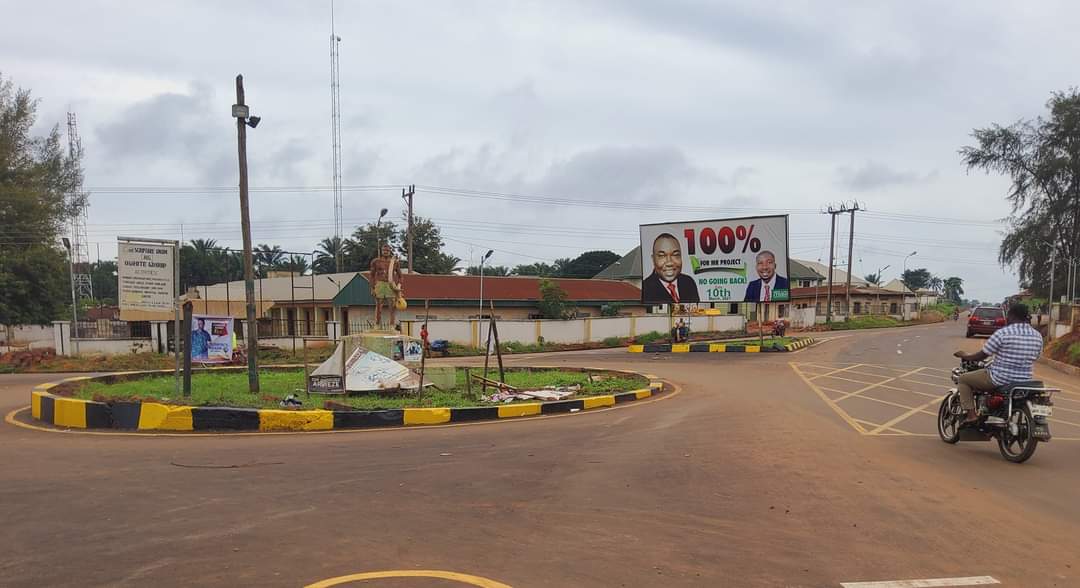
Government-Recognized Rulers and Councils Grew: The colonial Native Authorities laid the foundation for modern local government administration, leading eventually to Igbo-Eze North Local Government Area (headquartered at Ogrute) and state-recognized traditional rulers (Igwe) across Enugu-Ezike's autonomous communities [3][4].
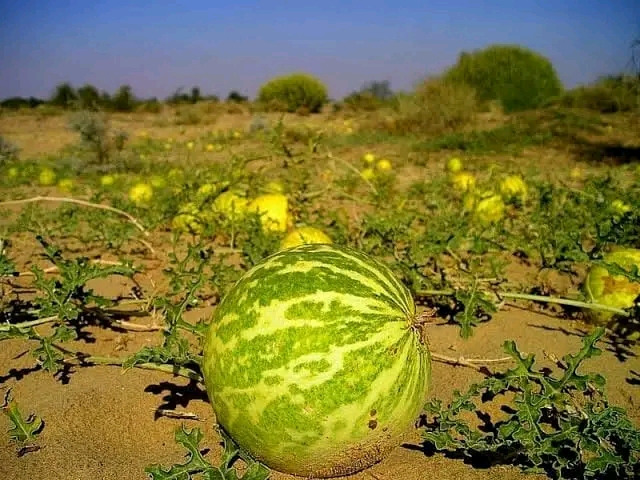
Farming, Melon Production, Farm Loans, and Climate Change in the Enugu-Ezike Agricultural Zone
Read verified findings from four university studies on farming in the Enugu-Ezike Agricultural Zone, covering major crops, melon production, farm loans, phone and radio access, and climate change.